
‘’Innovation in forestry biomass residue processing: towards circular forestry with added value products – Ceforestry’’

Significant amounts of unused forestry biomass — including bark, needles, cones, and other materials — are accumulating across the Baltic Sea region. While countries in the region employ various methods to process these residual resources, the level of technological development and innovation varies considerably between states. Currently, forestry by-products are predominantly used for the production of lower value-added outputs, such as bioenergy. However, forestry biomass has far greater potential: it can serve as a raw material for recovering high-value components and ingredients with a broad range of industrial and commercial applications.
The primary goal of the CEforestry project is to develop new, innovative solutions based on circular economy principles for the biorefining of forestry residues. This will be achieved by fostering knowledge exchange and collaboration among countries and stakeholders in the Baltic Sea region — including entrepreneurs, research institutions, and forestry experts.
The solutions developed within the project will be tested and demonstrated at a pilot scale, accompanied by the creation of a bioeconomy-driven circular business model. This model will help entrepreneurs navigate the transition toward sustainable innovation, supporting the development of new, value-added products derived from forestry biomass residues.
Project Information
- Official project website: https://interreg-baltic.eu/project/ceforestry-interreg-baltic-sea-region/
- Project duration: 03/2023 – 02/2026
- Lead Partner: Swedish University of Agricultural Sciences (Sweden)
- Project Main Coordinator: Mehrdad Arshadi (mehrdad.arshadi@slu.se)
- University of Latvia Coordinator: Linards Klavins (linards.klavins@lu.lv)
Project Partners:
- Kaunas University of Technology (Lithuania)
- Centria University of Applied Sciences (Finland)
- Mineral and Energy Economy Research Institute of the Polish Academy of Sciences (Poland)
- Natural Resources Institute Finland (Finland)
- JSC Biolat (Latvia)
- Bimala Ltd. (Lithuania)
- Umea University (Sweden)
- University of Latvia (Latvia)
- Finnish Forest Centre (Finland)
- Aalto University (Finland)
- GreenBack Ltd. (Poland)
Funding
- Total budget: €2.36 million
- European Regional Development Fund contribution: €1.89 million
The CEforestry project (Project ID: #C023) is co-financed by the European Union’s Interreg Baltic Sea Region Programme 2021–2027.
You can download project presentation here
You can download project brochure here
Powering Green Innovation with Forest Biomass: CEforestry Unlocks Bioeconomy Potential

Forests are not only the lungs of our planet — they are also the foundation of tomorrow’s green innovations.
The CEforestry project, led by Swedish University of Agricultural Sciences and Biolat, as one of the projet partners, is at the forefront of developing a resilient, circular bioeconomy by transforming forestry residues into high-value products
What is CEforestry?
CEforestry is an international initiative focused on the sustainable use of forest biomass and the development of the green bioeconomy.
By researching biorefinery technologies and circular business models, CEforestry seeks to turn side streams like bark, sawdust, and conifer needles into valuable, eco-friendly materials.
Learn more: https://interreg-baltic.eu/project/ceforestry/
New Insights: Forestry Residues as Market Drivers

The latest CEforestry market research highlights rapidly growing opportunities in sectors such as:
- Cosmetics & Pharmaceuticals
- Functional foods & Nutraceuticals
- Bio-based chemicals & Green adhesives
Consumers are increasingly seeking natural, sustainable products – and ingredients derived from forest biomass, such as tannins, are now in demand for use in biocides, adhesives, antioxidants, and more. Through integrated biorefineries, forestry residues can be processed in cascading steps: first extracting valuable compounds, and then utilizing the remaining biomass for energy or soil enhancement. This circular approach maximizes resource use while minimizing waste – a key principle of the European Green Deal and the Circular Economy Action Plan.
How You Can Get Involved
Are you a small or medium-sized enterprise (SME), research institute, or forest sector expert?
CEforestry invites you to become part of its dynamic network!
Participation benefits include:
- Access to cutting-edge research on forest biomass utilization.
- Opportunities to engage in seminars, webinars, and expert discussions.
- Networking with innovative businesses and organizations across the Baltic Sea region.
Be a part of shaping a greener, more resilient future!
Explore project opportunities and contact us on https://interreg-baltic.eu/project/ceforestry/.
Shaping a Climate-Smart Future
Through the CEforestry project, the Nordic and Baltic regions can lead Europe in the transition to a climate-smart, resource-efficient bioeconomy.
By elevating forest residues from waste to sustainable assets, we can drive economic growth while preserving natural ecosystems for generations to come.

Join the movement — together we can build the future of green innovation.
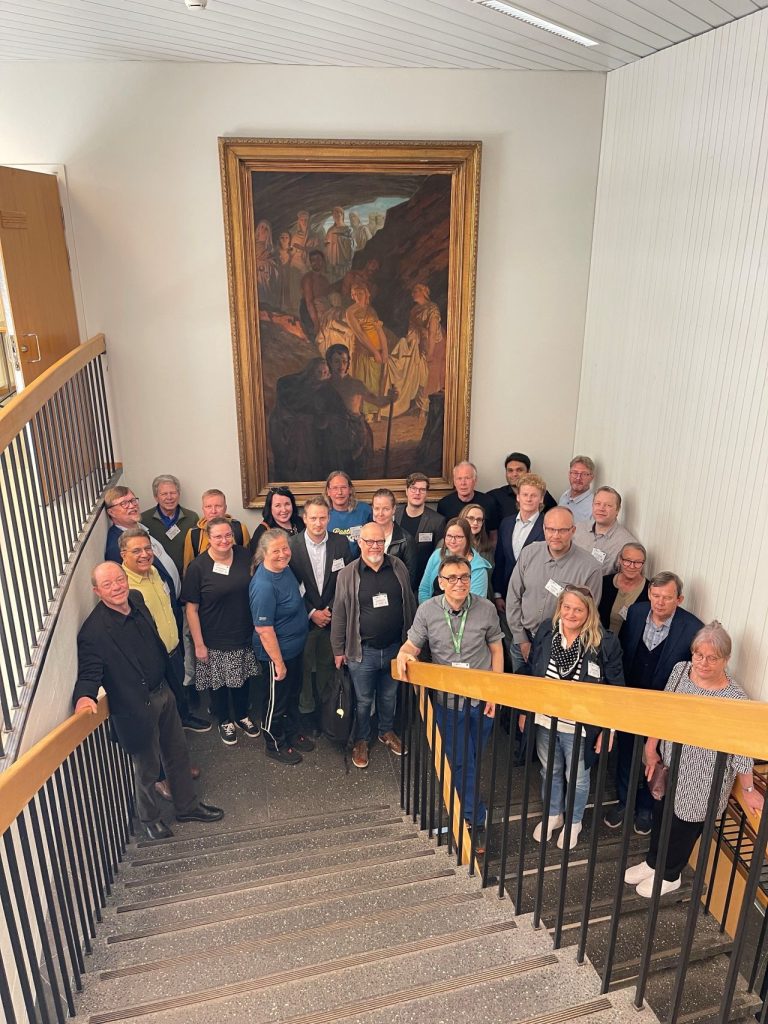
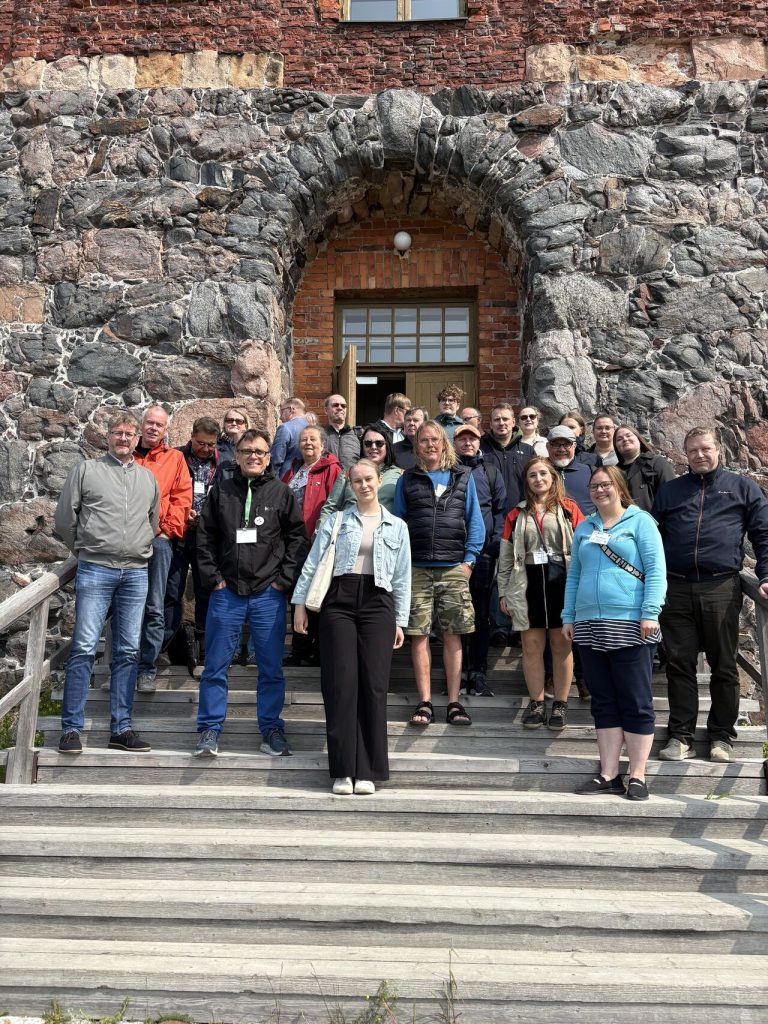
On June 3–4, 2025, Biolat participated in the CEforestry partner workshop held at Aalto University in Espoo and the Suomenlinna Sea Fortress in Helsinki, Finland. The workshop gathered project partners from across the Baltic Sea region to exchange knowledge and share updates on CEforestry project activities, results, and strategic developments in circular forestry and the valorization of forest biomass residues.
Biolat’s own Ilona Vanaga took the stage and brought the forest to life (metaphorically, of course) with an engaging update on the project’s progress. She walked everyone through the curious world of forest biomass residues showing how bark and needles can become much more than just compost. From nutraceuticals that help you glow from the inside out to natural adhesives that stick around, Biolat’s presentation uncovered just how much untapped potential the forest still holds.
The workshop featured presentations from many partners, including Aalto University, the University of Latvia, Centria University of Applied Sciences, and the Natural Resources Institute Finland. Key outcomes included research insights into forestry by-products and discussions on future collaboration opportunities, such as joint research on tannins.
Biolat’s involvement in the CEforestry workshop strengthened its role in the bioeconomy innovation ecosystem, expanded valuable networks, and reinforced its contribution to advancing a sustainable circular forest economy in the Baltic region.
Biolat at the LIFE-IP LatViaNature International Conference
Together for Nature: Merging Public and Private Efforts
Dates: 25–26 September 2025 • Venue: University of Latvia, House of Nature, Riga
Hosted at the House of Nature in Riga, Latvia the conference convened EU and national leaders, landowners, NGOs, and companies to align policy, finance, and practical restoration – exactly where Biolat operates: at the intersection of science, markets, and biodiversity outcomes.
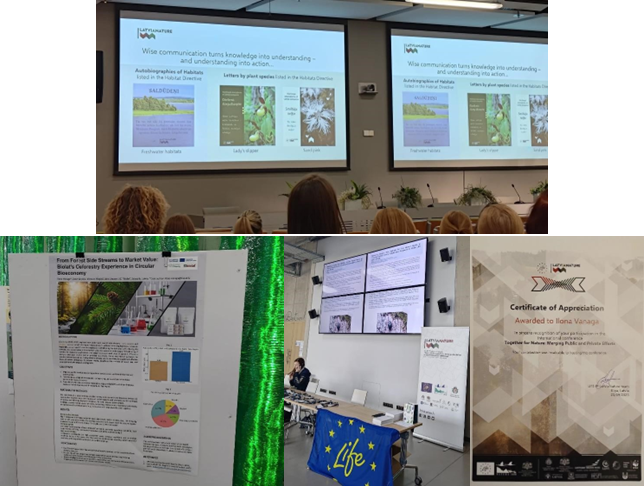
On Day 1, Representing JSC “Biolat” Ilona Vanaga presented a poster “From Forest Side Streams to Market Value: Biolat’s Ceforestry Experience in Circular Bioeconomy” highlighting how valorisation of forest sidestreams and nature-derived actives can (1) reduce waste, (2) diversify rural income, and (3) connect SMEs with credible science for product development. Her discussions with participants from LIFE projects and national agencies centered on de-risking private investment (through clear standards and data), responsible sourcing from managed landscapes, and storytelling that translates research into buyer value.
Themes we engaged with. Day-one sessions emphasized three levers Biolat champions in practice:
- Incentivizing private landowners via grants, results-based schemes, and credits to make conservation investable.
- Volunteer contributions that scale monitoring and habitat work while building public support.
- Stakeholder engagement & communication – from landowner helpdesks to integrated campaigns that move people from awareness to action.
Takeaways for our community.
- Policy & markets are converging: new finance instruments and landowner programmes are expanding – creating a clearer route for nature-positive businesses to grow.
- Partnerships win: cross-sector projects (public + private + NGOs) are delivering measurable results and faster learning cycles – an approach Biolat actively supports.
- Communication is a capability: engaging landowners, SMEs and citizens with simple, actionable messages is essential for long-term restoration success.
“LatViaNature showed how policy, science and enterprise can pull in the same direction. Our poster sparked great conversations on turning sustainable raw materials into trusted products that reward land stewards.” – Ilona Vanaga, Biolat
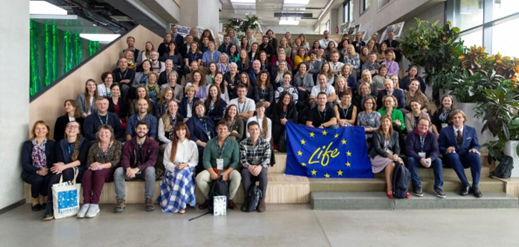
Biolat at the 5th International Conference “Old-growth forests: policy and practice”
Dates: 16–17 October 2025 • Location: Jaunkalsnava, Latvia (LVMI Silava & field sites)
Organizers: Latvian State Forest Research Institute “Silava”, in cooperation
with IUFRO; supported by the Latvian Academy of Agricultural and Forestry
Sciences and the Forest Research Station.
Old-growth forests are critical reservoirs of biodiversity and carbon, yet national approaches
to delineation, protection and monitoring still vary. This year’s meeting focused on the role
of old-growth in biodiversity maintenance and on comparing diverging approaches
through case studies from multiple countries.
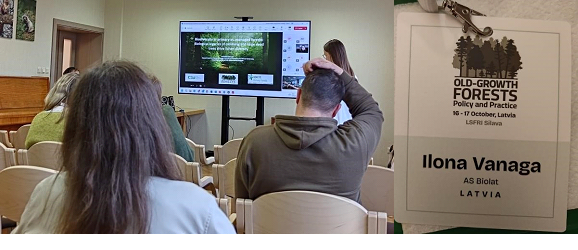
Programme highlights.Day 1 combined plenaries and thematic talks, including the keynote
“A global perspective on temperate old-growth forest ecology, conservation, and
restoration” by Prof. William S. Keeton, and sessions on criteria for identifying high-value
forests, geospatial methods for mapping conservation value, long-term biomass change in
old-growth stands, and public-sector perspectives on improving EU forest habitats. The day
also hosted a poster session and networking opportunities. Day 2 moved outdoors with a
guided field visit to long-term research sites and restoration areas.
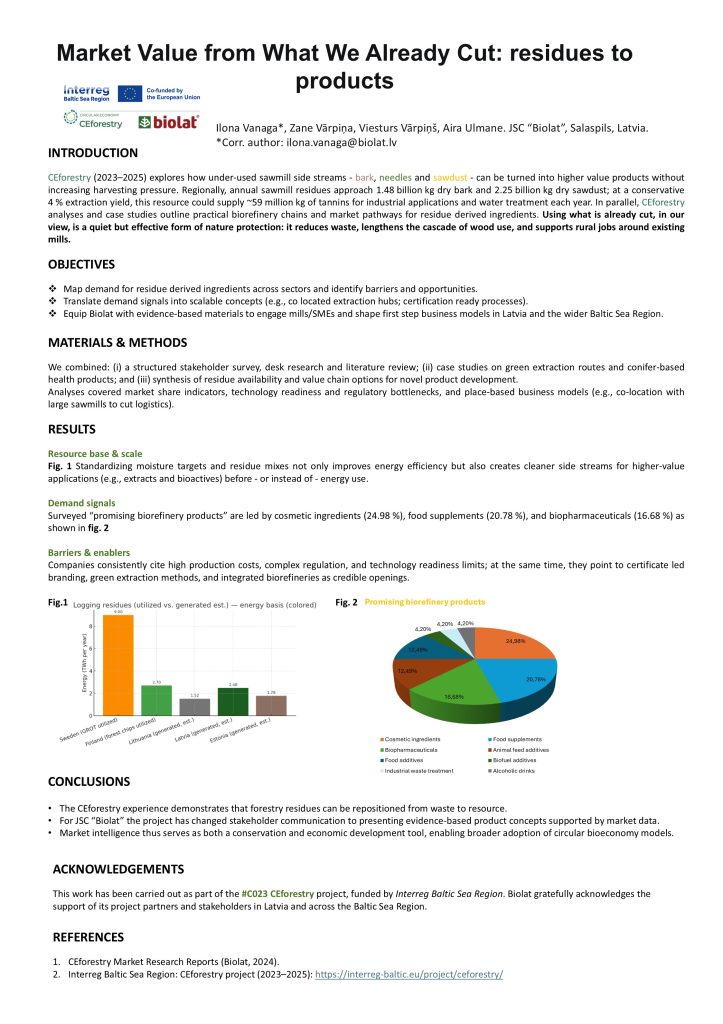
Biolat’s participation.
Partnerships win: public agencies, research institutes and companies collaborating at landscape scale can deliver biodiversity gains while developing sustainable biobased markets.
Presenter: Ilona Vanaga (Day 1) – poster presentation and discussions with researchers and decision-makers on integrating side-stream valorisation and market mechanisms with conservation goals (e.g., funding pathways, standards, traceability).
Engagement: exchanges on how science-based product value chains(cosmetics, nutraceuticals, bio-based materials) can support landscape-level outcomes when aligned with biodiversity safeguards and monitoring frameworks.
Takeaways for our community.
Policy ↔ practice linkage: monitoring and classification criteria are rapidly improving; this enables clearer protection and restoration targets that enterprises can support through certified, traceable sourcing.
Evidence travels: from remote sensing to plot-level studies, geospatial + long-term datasets are shaping practical decisions on where and how to protect high-value stands.
CEforestry final event highlights
ADVANCING CIRCULAR INNOVATION FROM FOREST SIDE STREAMS
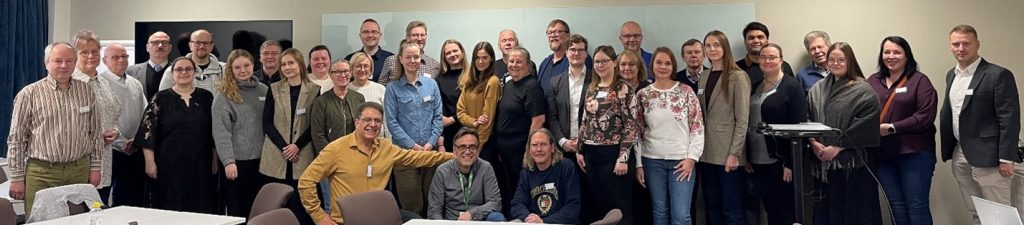
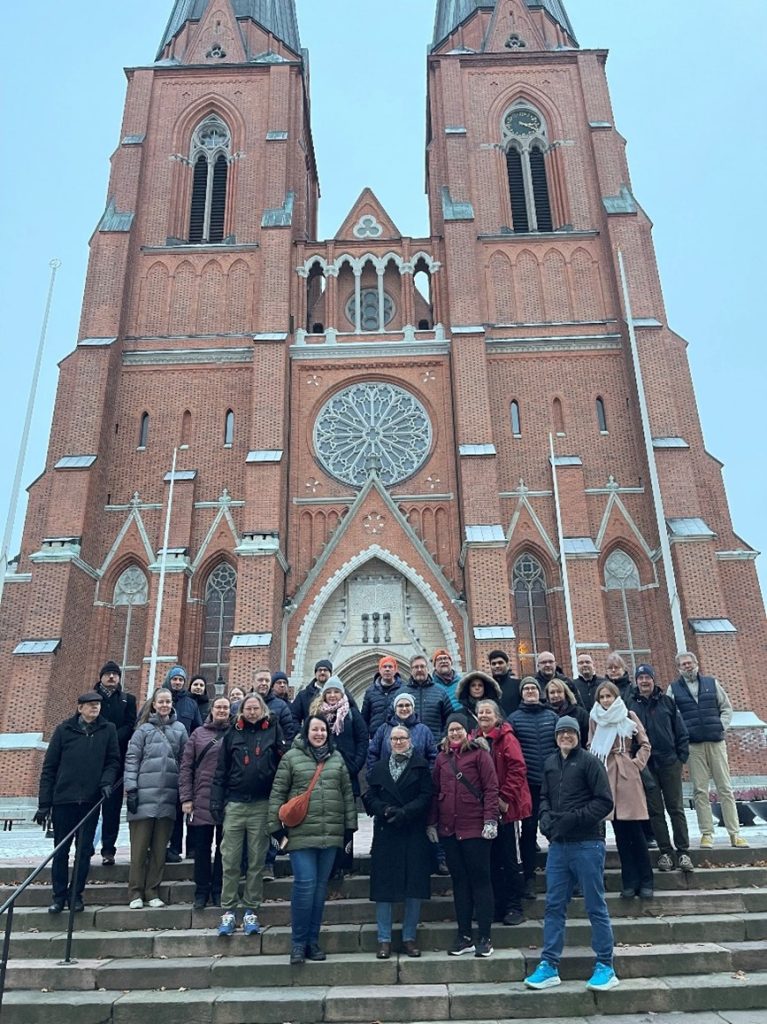
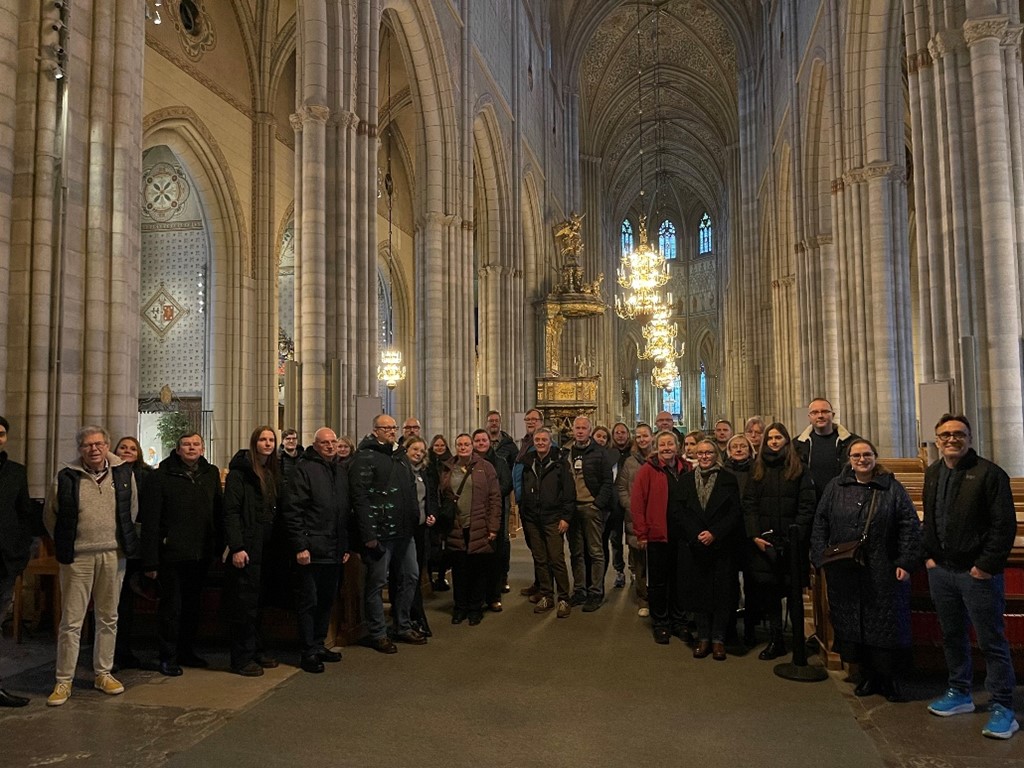
The CEforestry project held its final event in Uppsala, Sweden on 19–21 November 2025, bringing together project partners, industry representatives, researchers, SMEs and public-sector stakeholders to explore how forest side streams: bark, needles, sawdust and other residues, can be transformed into high-value bio-based products. Over three days, 50 participants took part in thematic sessions, discussions and excursions focused on circular bioeconomy opportunities across the Baltic Sea Region.
Biolat participated actively throughout the event, including delivering a dedicated presentation “From forest side streams to market value: Biolat’s CEforestry experience” and moderating the session on Stakeholders and Target Groups.
Biolat’s Contribution: from biomass to high-value ingredients
In her presentation, Ilona Vanaga highlighted Biolat’s three decades of experience in extracting natural bioactives from conifers and the company’s work within CEforestry to demonstrate how forestry residues can be converted into cosmetics, nutraceutical, biopharmaceutical and industrial ingredients.
Strong Resource Potential
Sawmill residues across the region amount to more than 3.7 billion kg of bark and sawdust annually, making large-scale extraction a technically and economically viable pathway. At only 4% extraction yield, this could deliver ~59 million kg of tannins per year, unlocking significant market opportunities.
Benefits of Co-Located Biorefinery Models
Biolat’s analysis shows that integrating extraction facilities near sawmills can cut logistics emissions by up to 80%, create 5–10 new jobs per 10,000 tonnes processed, and lower operational costs—supporting rural development and circularity.
Market Pull for Natural Alternatives
The strongest commercial demand is currently in cosmetics and food supplements, where consumers increasingly prefer natural, sustainable, circular ingredients.
CEforestry Achievements
Biolat’s project tasks included market mapping, value-chain analysis, development of business concepts, and preparation of dissemination materials, such as scientific posters, case studies and commercialization roadmaps.
Session Highlights: Stakeholders & Target Groups
Moderated by Ilona Vanaga (Biolat)
The session showcased real-world examples of how forest residues can become new ingredients and solutions for multiple industries. Speakers covered:
- Alternatives for chemical and cosmetics industries through birch-bark-based ingredients (Sami Selkälä, Innomost).
- Biocide management in the pulp & paper sector and opportunities for bio-based antimicrobials (Olof Ögren).
- Bark-based tanning agents bridging tradition and innovation (Ann-Sofie Fonsen).
- Bio-based tannins in traditional leather tanning, highlighting cultural and ecological dimensions (Hanna Nore).
Various discussions, interactive questions, and reflections were facilitated, creating a strong link between technological innovation, market demand and traditional knowledge. The session clearly illustrated that side streams are not waste but underused resources with significant commercial and environmental potential.
Key Insights & Lessons Learned
1. Circular forestry requires collaboration across the value chain
From forest owners and mills to SMEs and research institutions, the event demonstrated that cooperation is essential to scale up circular solutions. CEforestry successfully created such a cross-sector platform.
2. Side streams can support both nature protection and rural development
Using what is already cut reduces pressure for additional harvesting and enables new income streams for local industries.
3. Market opportunities are real and growing
Biolat’s market analysis shows a 6.3% annual growth in biomass-based products, with strong pull from cosmetics, nutraceuticals and specialty chemicals.
4. SMEs Need Practical Tools to Commercialise New Ingredients
The project distilled practical guidance for small companies, including:
- partner early,
- make ingredient specifications clear and usable,
- invest in greener extraction,
- start with focused, certifiable product concepts.
5. Policy and investment frameworks must evolve
To fully unlock the potential of side streams, stakeholders emphasized the need for:
- streamlined regulation,
- harmonised certifications,
- blended finance models,
- risk-sharing mechanisms for scale-up.
6. Traditional knowledge enriches modern innovation
Several speakers reminded the audience that sustainable materials are not only about chemistry, they also carry heritage, culture and identity. This human dimension strengthens consumer acceptance and storytelling potential.
Looking forward: after CEforestry
Building on CEforestry, the Baltic Sea Region now has a stronger foundation for developing new bio-based products and investing in circular extraction technologies. Future priorities include:
- expanding market-led product development,
- continuing knowledge transfer across the region,
- strengthening intermediate processing and scaling capacity,
- and supporting policy frameworks that recognize residues as strategic resources.
#CEforestry #Biolat #Sustainability #Bioeconomy #GreenInnovation #CircularEconomy #ForestInnovation #ClimateSmart #EcoFriendly #GreenBusiness #SustainableFuture